
A stone bridge spans a canal in Ghent, Belgium, at dusk. Historic buildings line the canal, their lights reflecting in the water. Streetlights illuminate the bridge and cobblestone pathways. (Source: Rare Gallery)
Co-designing Inclusion and Belonging Through Disability Studies and the Arts
A NETWORKING PROJECT
The focus of this project is to develop an international network that discusses the intersections between disability studies, education and the arts. We have been working to create a network of folks doing disability studies in education across Europe, North America, and Aotearoa New Zealand.
The purpose of the network is to help translate disability studies research and policy frameworks (like the Convention on the Rights of Persons with Disabilities) into practice. We plan to do this work collaboratively with community members to center the knowledge of disabled youth advocates, family members and educators. At the heart of our approach is activism, advocacy, storytelling and the arts as powerful movers and teachers.
We are using a Social Sciences Research Council of Canada Destination Horizon Grant, led by Dr. Patty Douglas to develop and strengthen a network of people who work to improve inclusion and belonging—understood as disability affirming education research and practice—by moving disability studies knowledge into practice through storytelling and the arts. This network builds on the work of the grant team as well as countless other disability scholars, activists and artists (e.g., Dan Goodley’s Disability Matters project investigating disability studies as a transformer of health research and practice). We hope that one day, people in this European+ network (Europe, United Kingdom, Canada, Aotearoa New Zealand) might secure funding for international research (for example, through Horizon Europe, Pillar II). Our gathering and this growing network respond to a central question: How does disability studies matter in education?
In-person meeting in Ghent, Belgium
October 14 - 16, 2026
This meeting hosts conversations that explore how disability studies matters in education. The event highlights the work and voices of youth activists, researchers, family members, and artists from various disability communities.
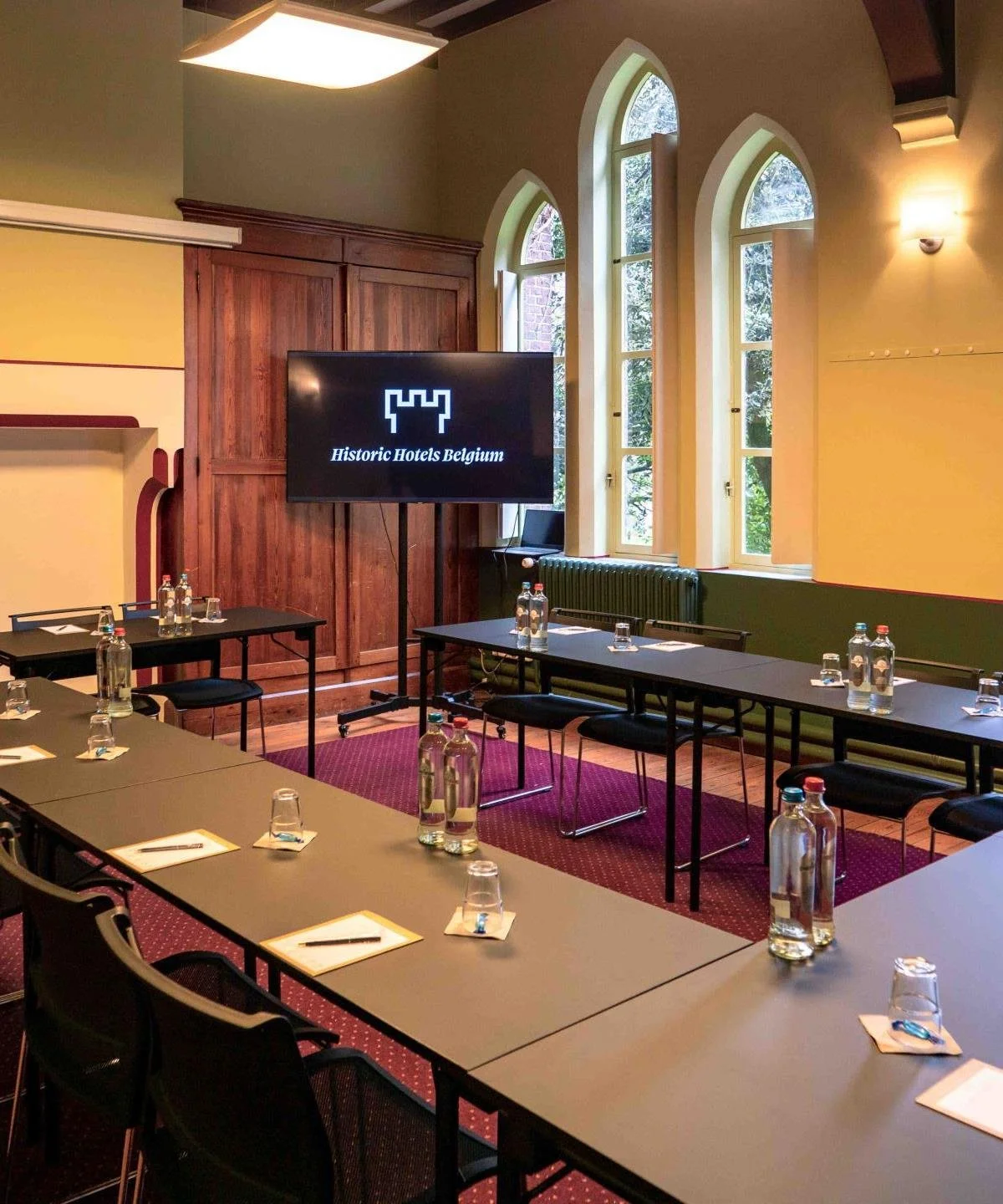
Meetings on October 14 and 15 will be held at the Monasterium. While we encourage in-person participation, we will prepare Zoom links for those joining from afar.
Click the button above to access the detailed agenda and Zoom links for virtual attendees.
Accessibility
We are devoted to creating an accessible event that exceeds accessibility checklists. As such, we are taking measures to ensure amenities are available to meet as many sensory, physical, communication, cultural, COVID-safety, and other access considerations as possible.
The entire hotel, including the reception, restaurant, meeting room, and most of the hotel rooms, is wheelchair accessible. Ramps are available where necessary. Unfortunately, we do not have any maps of the building.
We encourage COVID-masking for those who are able, have a fragrance-free policy, and will be offering ample breaks and a relaxed approach to sessions (come and go as needed, move around, bring a comfort or stim item). We also have a quiet, sensory friendly space available for folks to access both in-person and online throughout the event.

A photograph of a river, a pedestrian sidewalk, and a bridge in Ghent, Belgium. (Source: Intelliblog)
Meet our Project Team
-

Patty Douglas
Patty Douglas is an Associate Professor of Disability Studies, the Inaugural Research Chair in Student Success and Wellness and Director of the Centre for Community Engagement and Social Change in the Faculty of Education at Queen’s University.
-
Elisabeth De Schauwer
Elisabeth De Schauwer works at the University of Ghent. Her research focuses primarily on the influence of disability on (pedagogical) relationships within educational and family contexts. She views disability as a socially lived category, reproduced and perpetuated by political, historical, economic, religious, cultural, and social structures that privilege able-bodiedness. The lived experiences of people with disabilities and their natural networks are essential to understanding the complexity of disability.
-
Kathryn Underwood
Dr. Kathryn Underwood is a professor in the School of Early Childhood Studies at Toronto Metropolitan University. Dr. Underwood’s interests are in disabled children and their families’ experiences and contributions to our understanding of social services, social life, and society. The focus of her program of research has been on how constructions of disability in early childhood programs and care, early intervention, and health and social service contexts are used to organize children, with particular interest in intersectional identities of all disabled children. Dr. Underwood has conducted a number of studies that focus on parent viewpoints and the work of families to engage with institutions.
-
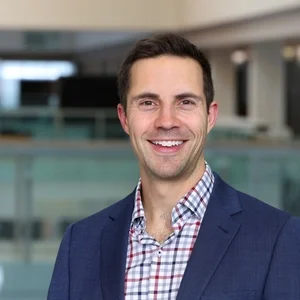
Ian Matheson
Ian’s research focuses on supporting the development of self-knowledge for students with high-incidence exceptionalities including Learning Disabilities (LDs), Attention Deficit Hyperactivity Disorder (ADHD), and Autism, among others. He and his graduate students examine how these students view themselves as learners and the degree to which they understand the contents of their Individual Education Plan (IEP), and they strive to find ways to support their transitions through school and beyond. They focus on students within K-12 settings, as well as those completing post-secondary programs, and we engage in research in collaboration with programs that support the transition of students through their educational journey. As learning environments and instructors evolve in ways that better support the inclusion and learning of students with exceptionalities, they feel that it is imperative that these students develop an understanding of their own learning needs and supports in order to prepare for the uncertainty of what lies beyond their schooling.
-
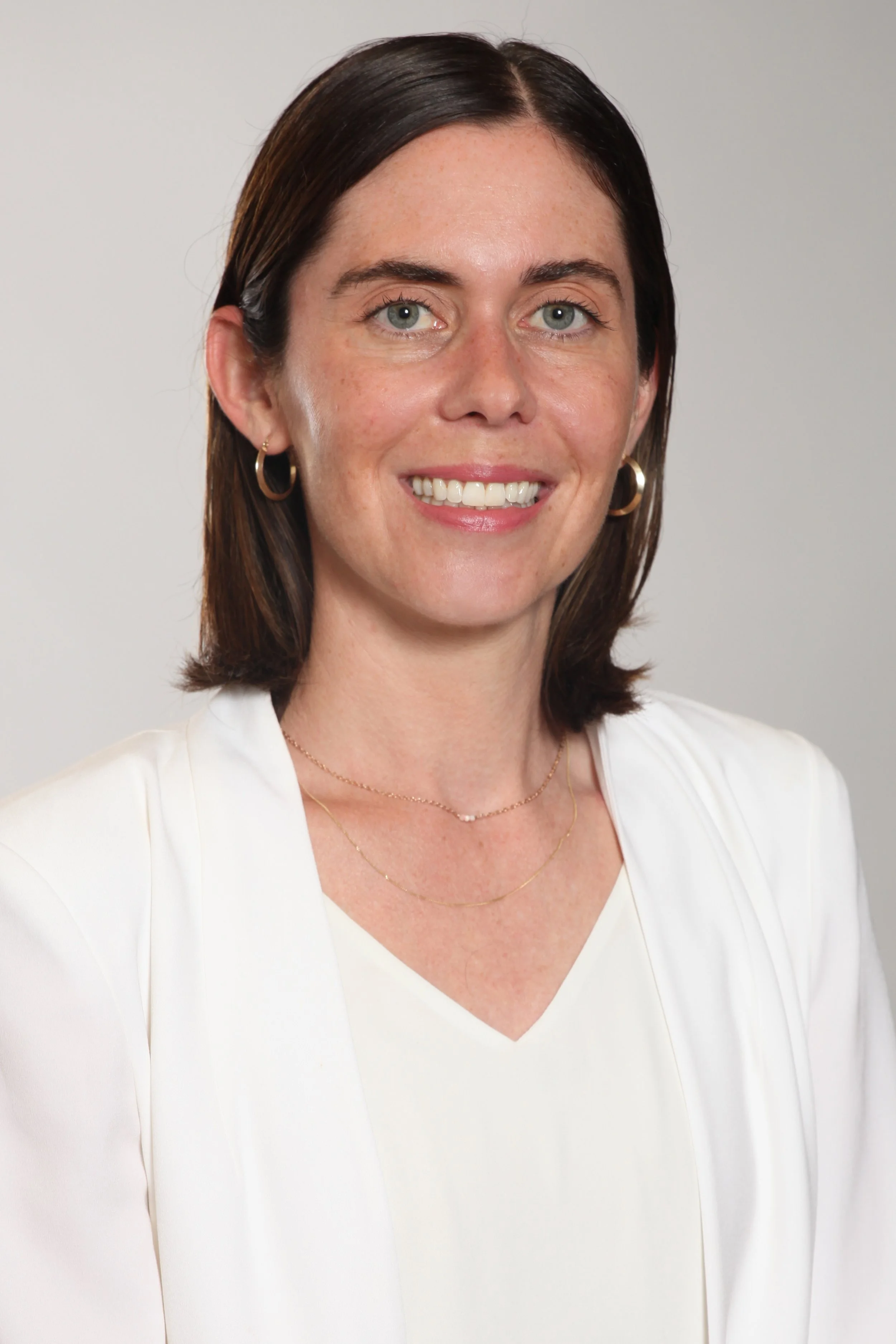
Breanna Lawrence
Breanna Lawrence is an Educational Psychology scholar with a strong mixed methods research focus concentrated on the social contexts of mental health that intersect with child developmental processes and family systems. Breanna’s main areas of research are informed by a keen interest in social ecological resilience and her varied professional training as a counsellor and provisional psychologist working in child and adolescent mental health clinical settings as well as educational contexts.
-
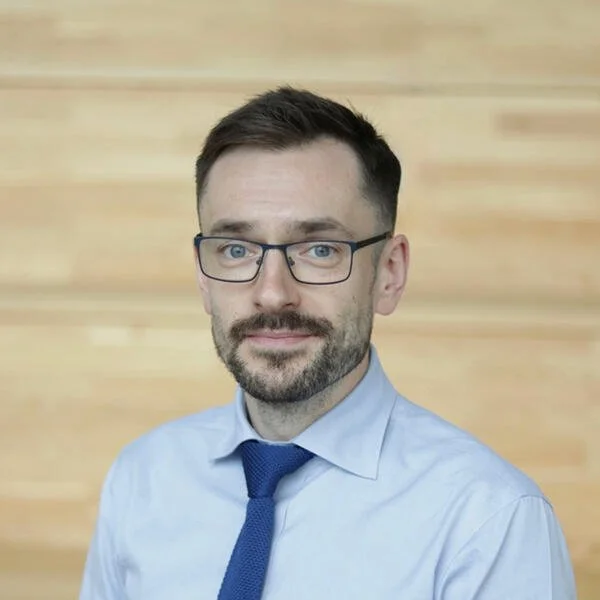
David B. Shannon
David is an interdisciplinary scholar, whose research intersects with critical disability studies, early childhood education, cultural studies, and art. With a background in primary special education, his research explores how neurodiversity unfolds in early childhood education through an attention to affect, place, early literacy and language, and the more-than-human. Methodologically, he experiments with sensory ethnography, sound, research-creation, and digital ethnography. He is also a sound artist and composer, and one-half of glitch-folk, electronica duo Oblique Curiosities.
His recent work has been published in Qualitative Inquiry, Discourse: Studies in the Cultural Politics of Education, International Journal of Qualitative Studies in Education, International Journal of Qualitative Methods, and the Canadian Journal of Disability Studies. -
Vijaya Dharan
Vijaya is the Director of Academic Programmes and Associate Professor at Massey University, Institute of Education. She is a registered psychologist [educational], and a registered teacher currently involved in teaching in the master's in educational and Developmental Psychology and supervising Master’s and doctoral students.
-
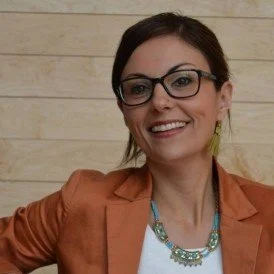
Katie Aubrecht
Dr. Katie Aubrecht is Associate Professor in the Department of Sociology and Director of the Centre for Aging and Disability Justice and the Spatializing Care Lab at St. Francis Xavier University. Dr. Aubrecht analyzes marginality and mental health, rurality and resilience, across the life span.
-
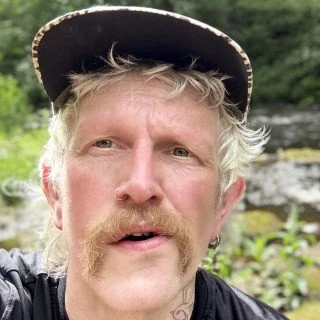
Chris Bailey
Dr Chris Bailey is an academic, artist, and musician working at the intersection of literacy, culture, and neurodiversity. His award-winning work draws on theoretical and methodological perspectives that promote creativity and enable inclusion and social justice. He blogs at https://thisdamnpassivesoul.wordpress.com/. His current work explores how culture can be harnessed to create positive social change. He has recently launched NCCC, a new artists’ collective portal at https://ncccportal.co.uk/
-
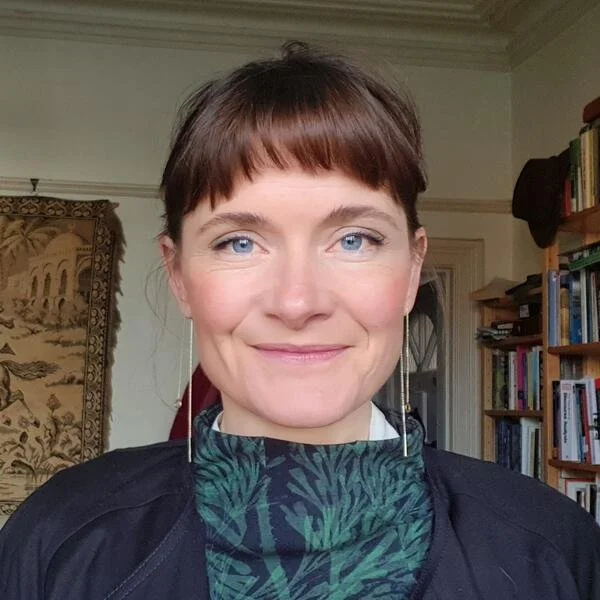
Harriet Cameron
Harriet is a Senior Lecturer at the University of sheffield. She is particularly interested in the way language around learning disabilities and differences comes to shape the way diagnoses of autism, (specific) learning disability, ADHD and mental ill-health are constructed in specific places, spaces and times.
She is also interested in the lived experiences of people who come to be categorised as ‘deficient’ in learning or communicating, and in how systems, processes, and policies interact with these experiences, both in ‘western’ contexts and in the global South.
-

Stephen Connolly
Stephen is an autistic academic and has a keen interest in all things autism with particular focus on Emanciparticipatory research methods, research ethics and inclusion in Higher Education. He comes from a Physical Education and Developmental Psychology background.
-
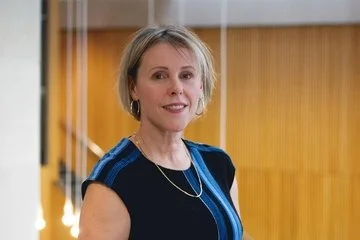
Pamela Cushing
Pamela’s research examines phenomena and approaches using anthropological foci like cultural systems, difference, change, and the relationship (or gap) between beliefs versus behaviours in these areas:
DISABILITY STUDIES (Developmental, attitudes, relationships, well-being, disciplinary survey)
SOCIAL INCLUSION (Theory and policy; alternative constructions, mutuality)
CARE SYSTEMS (Organizational culture; Life-sharing communities- L’Arche, Camphill)
ETHICS (Altruism; Moral Imagination; Cause marketing); Past REB Chair.
EXPERIENTIAL ED. (Outward Bound; Rites of Passage; transformation; Intercordia)
RESEARCH METHODS (participant observation, ethnography, disability, interviews)
-
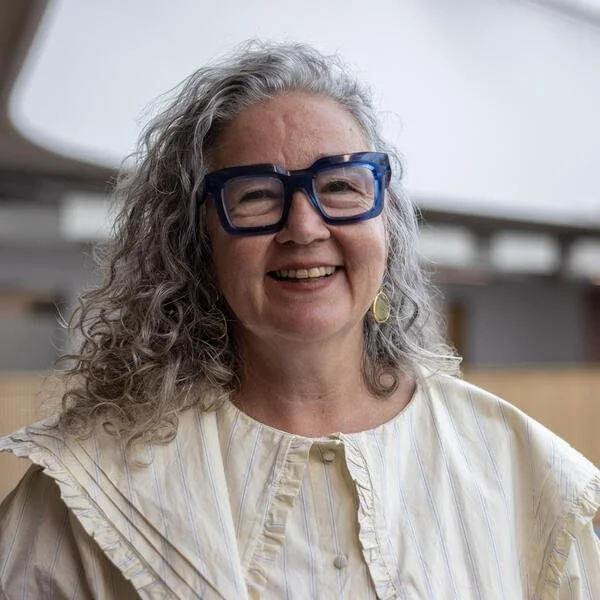
Rebecca Lawthom
Rebecca joined Sheffield in 2020 as the incoming Head of School of Education. She is a Professor of Community Psychology, a psychology that recognises inequality and takes context seriously. She is used to working with people, collaboratively and recognising that people have answers, skills and expertise. She has engaged in research which includes and collaborates with people who may often be considered as marginalised. Working with disabled people, migrants or those who are ageing, community psychology allows her to embrace creative approaches which position people as experts.
-
Missy Morton
Missy joined the University of Auckland as Professor of Disability Studies and Inclusive Education in July 2017. Missy's current inclusive education research projects look at how intersecting beliefs, values and practices in curriculum, pedagogy, assessment and difference make it more or less likely that all learners are able to participate, belong, learn and achieve across a number of educational settings. Recent and current funded projects include the Teaching and Learning Research Initiative funded project Using Narrative Assessment to Support Secondary Teachers' Inclusive Practices and the project Building Capacity for Inclusive Teacher Education in the Pacific (funded by the Ministry of Foreign Affairs and Trade).
-
Katherine Runswick-Cole
Katherine Runswick-Cole is Professor of Education in The School of Education at the University of Sheffield. Katherine has published extensively in the fields of critical disability studies, disabled children’s childhood studies and inclusive education. Katherine is also a mother-survivor of the SEND system.
-
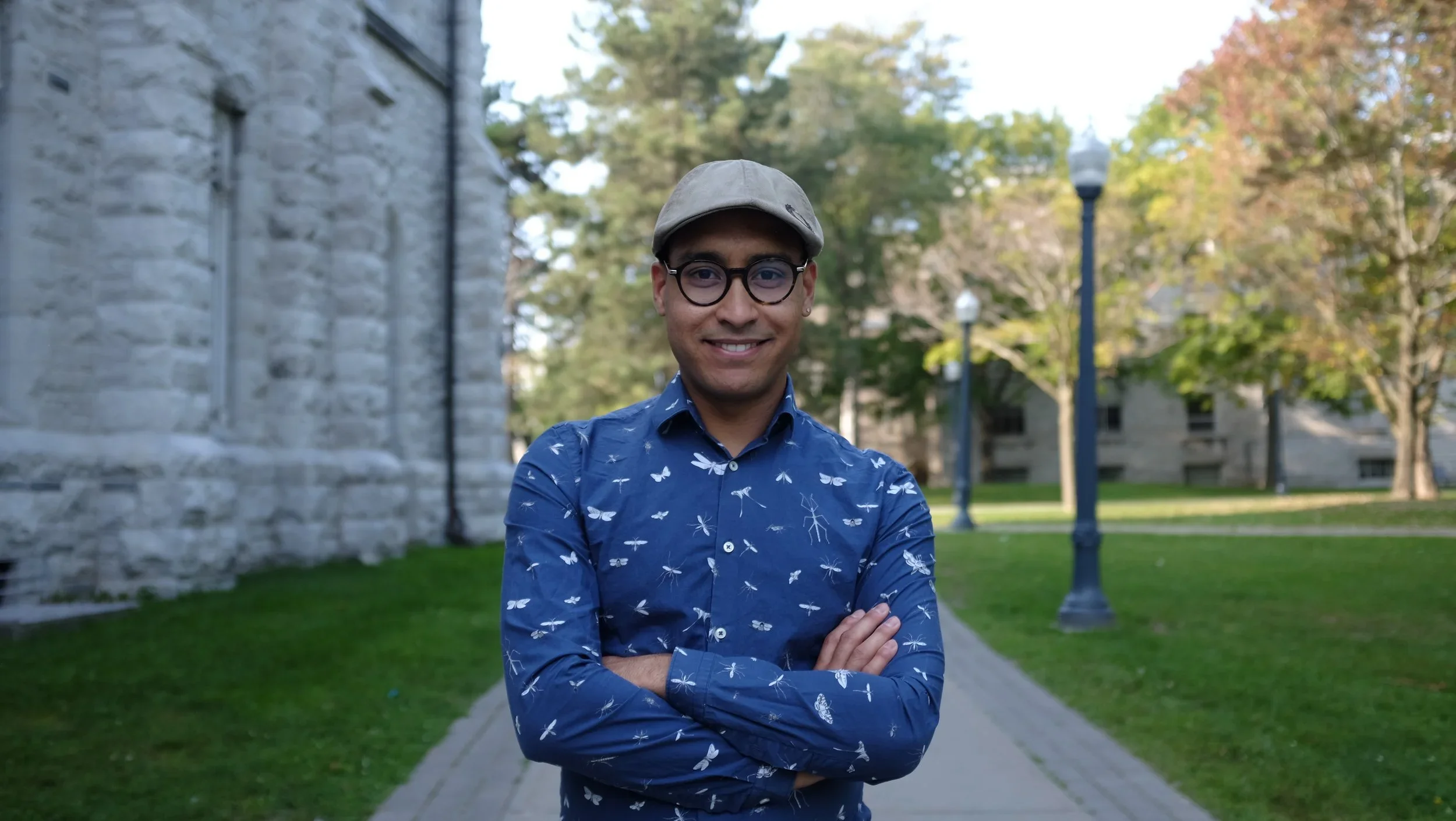
Alan Santinele Martino
Dr. Alan Santinele Martino (he/him) is an Associate Professor (Teaching) in the Community Rehabilitation and Disability Studies program in the Department of Community Health Sciences at the University of Calgary. His main research interests are in disability, gender and sexualities; feminist and critical disability studies theories; and qualitative and community-based research (particularly participatory and inclusive research methodologies). His work has been published in multiple journals, including, for example, Disability Studies Quarterly, Sexuality and Disability, and Sexualities, as well as edited volumes focused on disability and/or sexualities studies. He has guest-edited three special issues. He is the lead of the Disability & Sexuality Lab at the University of Calgary. In recognition of his research contributions, he was awarded the 2024 Early Investigator Award by the Canadian Sociological Association and the 2024 Early Career Award by the Sociology of Sexualities Section of the American Sociological Association.
Frequently Asked Questions
Is there a registration fee?
Registration to attend the event is free for all attendees.
What refreshments will be available?
Lunch will be provided on October 14 and 15. Light snacks with tea and coffee will be available during morning and afternoon sessions.
What is the suggested attire?
Please wear comfortable clothing for the event. We are taking a relaxed approach to the event. Also, note that we will be outside for the welcome and workshops, so please bring a hat, water, and sunscreen. There is some shade available outside.
What will happen during the sessions?
This meeting is about making connections and relationships with each other. You do not have to prepare anything new for this meeting - we are gathering to exchange stories and thoughts about work we have already done.