


An abstract image of a white undulating structure of geometric shapes.
Mad (M)others: Exploring the Intersections of Madness, Disability and Mothering
About the Project
Mad Mothers began with a collaboration between (m)other scholars and activists in Canada and the UK who took part in our story making workshops and who wanted to challenge the ways in which (m)others of dis/abled children are labelled as, and are made to feel, ‘mad’ in their/our encounters with the psy-professions (education; psychology and psychiatry). The research used focus groups and digital story making as a method of writing back against dominant oppressive narratives of education, (m)othering and disability. We published three papers and made two videos, which can be viewed on our publications page. Together, we wrote up our research insights with (m)others as co-authors and co-researchers using the sociology of gaslighting, Mad Studies, Critical Disability Studies and more to understand and challenge ableist patriarchal power in systems. The research is funded in part by the SSHRC Insight Grant 435-2019-0129.

“We hope making these forces visible will, in some small way, support the social justice work of mad (m)others of disabled children in neoliberal contexts” (Douglas et al., 2021, 52).
Selected Publications
Runswick-Cole, K., Douglas, P., Fogg, P., +Alexander, S., Erhat, S., +Eves, J., +Shapely-King, B., & +Wood, I. (2024). When father Christmas is the gaslighter: How special education systems make (m)others mad. Journal of Literary and Cultural Disability Studies, 18 (4), 475-493.
Douglas, P., Runswick-Cole, K., Fogg, P., & Ryan, S. (2022). Making memories, making madness: Mad (m)others of disabled children write back through digital storytelling. Journal on Developmental Disabilities, 27(2), 39-56.
Douglas, P., Runswick-Cole, K., Fogg, P., & Ryan, S. (2021). Mad mothering: Learning from the intersections of madness, mothering and disability. Journal of Literary and Cultural Disability Studies, 15(1), 39-56.
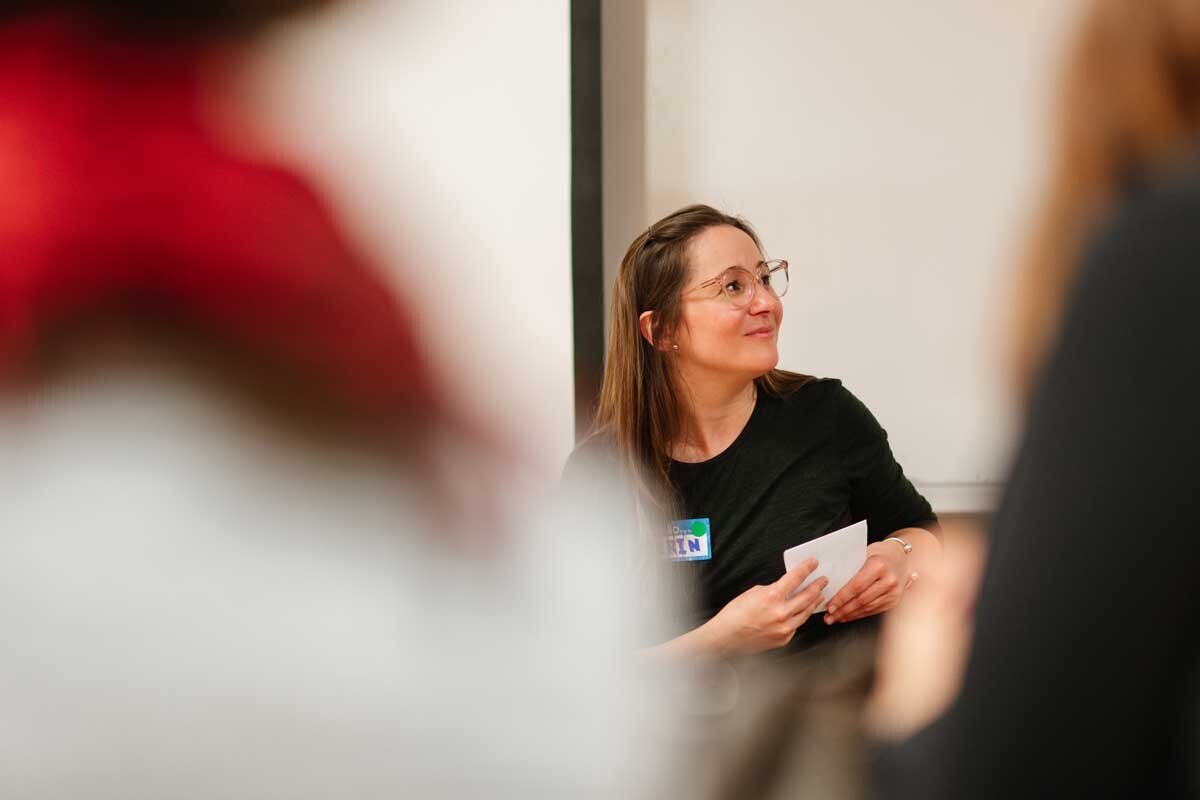
“People keep telling me it’s so important for me to share my story. I think this is a good way to help start that process.”
- Michael moon, storyteller participant
Our Goals

Goal 1
To create new knowledge about inclusion by centring the experiences and knowledge of autistic people and their/our supporters
Goal 2
To decolonize our research process and centre the perspectives and leadership of autistic women, trans autistic people, Black, Indigenous and other autistic people of colour previously excluded in autism research

Goal 3
To innovate accessible multimedia storytelling approaches in order to advance practices of inclusion

Goal 4
To transform deficit understandings of autism in education and intervene in practice.

Goal 5
To provide research training and arts opportunities for autistic and other students, artists and interested community members